Ball Valve vs. Non-Return Valve: Understanding the Differences for Your Plumbing System
When setting up a pond, irrigation system, or plumbing network, choosing the right valve is essential. Ball valve vs. non-return valve is a common comparison for homeowners and pond enthusiasts. Each valve type serves a specific purpose, and knowing their differences ensures proper water flow, prevents damage, and maintains efficient system performance.
Ball Valve vs. Non-Return Valve: Key Functions
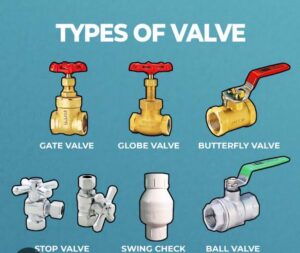
A ball valve is designed to start or stop water flow quickly. It uses a hollow, perforated ball that rotates inside the valve body. When the ball aligns with the pipe, water flows freely; when turned perpendicular, the flow stops completely. Ball valves are ideal for manual control, allowing you to isolate sections of your system for maintenance or repair. They provide a tight seal, are easy to operate, and are durable under high pressure.
On the other hand, a non-return valve, also known as a check valve, allows water to flow in only one direction. It prevents backflow, which is crucial in pond systems, pumps, and irrigation networks. By stopping reverse flow, non-return valves protect pumps from damage, reduce the risk of flooding, and maintain proper system function. Non-return valves operate automatically, with water pressure opening or closing the valve, so no manual intervention is needed.
Choosing the Right Valve for Your System
Selecting between a ball valve and non-return valve depends on your system’s needs. If you need to control water manually, isolate equipment, or shut off sections quickly, a ball valve is the best choice. For systems where backflow could damage pumps or disrupt operation, a non-return valve is essential.
In some cases, both valves work together. For example, a pond pump may have a ball valve for isolation during maintenance and a non-return valve to prevent water from flowing back into the pump when it’s off. This combination ensures safety, efficiency, and long-term reliability.
Maintenance and Installation Tips
Install valves according to manufacturer instructions, ensuring proper orientation for non-return valves. Regularly check both types for leaks, corrosion, and smooth operation. Lubricate ball valves if needed and clean non-return valves to prevent debris from blocking movement.
Conclusion: Optimize Your Water System
Understanding ball valve vs. non-return valve allows you to choose the right component for your system, protect your equipment, and ensure smooth operation. Using the correct valve improves efficiency, prevents damage, and keeps your pond or plumbing system running reliably for years.